
Wisdom Teeth Extractions Danville
Safe, Gentle Wisdom Teeth Removal

The wisdom teeth, sometimes referred to as the “third molars,” typically make their entrance between the ages of 17 and 25. While some lucky individuals never experience issues with these teeth, most will face complications such as pain, infection, or overcrowding. This means that having wisdom teeth extracted is actually one of the best proactive steps possible for preventing future oral health issues. Here at Southside Dental Surgery, our very own Dr. Patricia Sarcos can perform wisdom tooth extractions in Danville while ensuring patients stay safe and comfortable.
Why Choose Southside Dental Surgery for Wisdom Teeth Extractions?
- Dual-Degree Dentist with Extensive Dental Surgery Experience
- Multiple Sedation Dentistry Options Available
- IV Sedation from DOCS Credentialed Provider
Does Everyone Need Wisdom Tooth Removal?

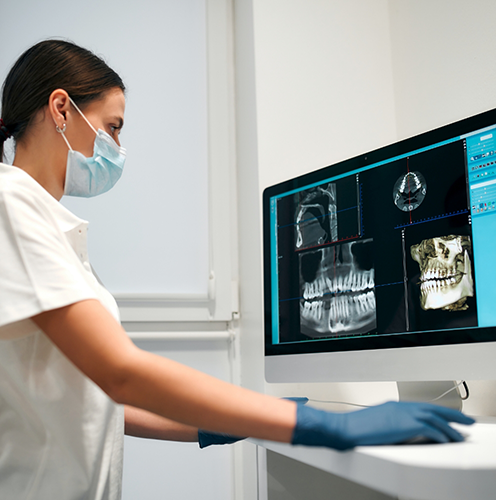
Not everyone needs their wisdom teeth removed, and Dr. Sarcos carefully evaluates each patient’s unique situation to determine if the procedure would be beneficial. If wisdom teeth erupt properly, align with neighboring teeth, and can be cleaned easily, they may not require extraction. However, many patients experience crowding, discomfort, or difficulty maintaining proper hygiene in the back of the mouth due to the teeth. Through a comprehensive exam and with the help of advanced imaging, Dr. Sarcos can determine whether removal is the best step to protect your long-term oral health.
What Happens When a Wisdom Tooth is Impacted?
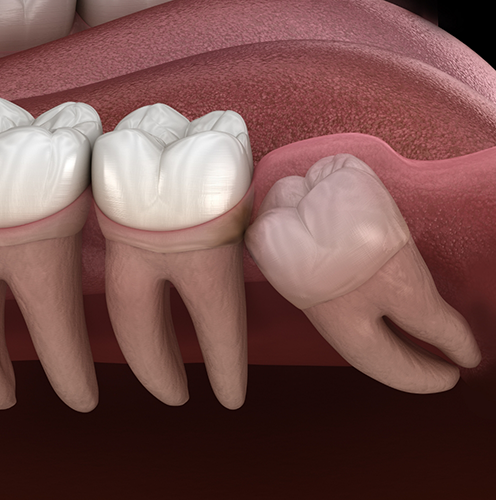
An impacted wisdom tooth occurs when there isn’t enough room for it to fully emerge; it may remain trapped beneath the gums or grow at an angle toward adjacent teeth. Impacted wisdom teeth can lead to pain, swelling, infection, cysts, and even damage to surrounding teeth or bone. It’s estimated that over 90% of the population has at least one impacted wisdom tooth. In these situations, it’s not uncommon for them to be removed.
Preparing for Wisdom Tooth Removal

Wisdom tooth removal begins with a thorough consultation in which Dr. Sarcos reviews your medical history, discusses sedation options, and explains what to expect before, during, and after the procedure. You’ll receive personalized instructions, including guidelines about eating, drinking, and arranging transportation if sedation is used. Our team is committed to helping you feel informed and comfortable, ensuring you’re fully prepared for a smooth and successful surgical experience.
The Wisdom Tooth Removal Process
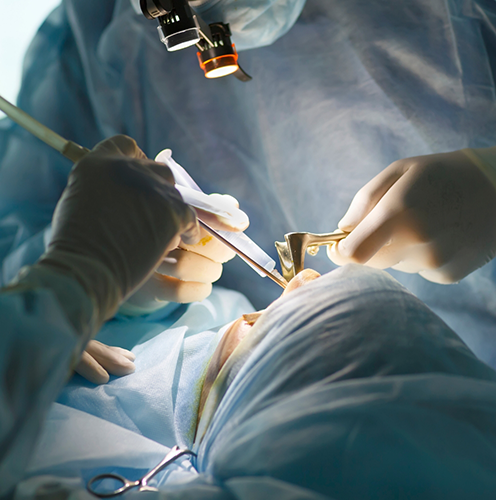
On the day of your wisdom tooth removal, anesthesia (and often sedation) is administered to ensure you are fully comfortable before any work begins. For teeth that have fully erupted, a simple extraction technique is used to gently loosen and remove the tooth using specialized instruments. When a wisdom tooth is impacted or has not fully broken through the gumline, a small incision can be made in the gum tissue to access and carefully remove it.
After Extraction of Wisdom Teeth
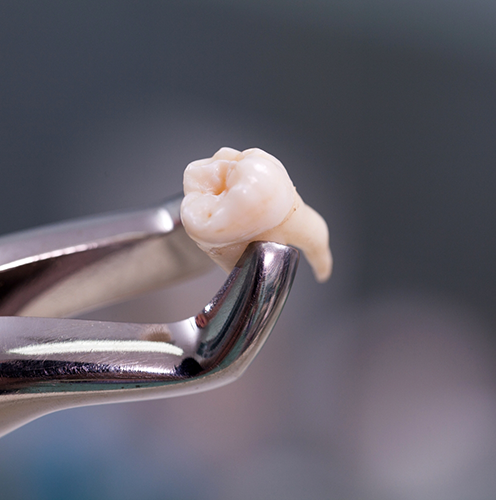
After your wisdom teeth are removed, proper aftercare is essential for a smooth recovery. To help with this, Dr. Sarcos and our team will provide detailed post-operative instructions. Following these guidelines about rest, diet, oral hygiene, and medications can significantly reduce the risk of complications such as dry socket. Keep in mind that mild swelling, soreness, and minor bleeding are common and expected, and typically improve within a few days. If you experience any sort of complications, our team is always available to address any concerns during your healing process.
How a Coronectomy Works
In certain cases, Dr. Sarcos might recommend a coronectomy instead of full wisdom tooth removal. This procedure is considered when the roots of a lower wisdom tooth are very close to the important inferior alveolar nerve. Rather than removing the entire tooth, the crown (upper portion) is carefully separated and removed while the roots are left undisturbed. By preserving the roots, a coronectomy reduces the risk of nerve injury while still preventing infection or crowding. Over time, the retained roots typically remain stable and rarely cause issues.
Wisdom Tooth Extractions FAQs
How soon can I eat after wisdom teeth removal?
You need to wait until you’ve regained full sensation in your mouth, which is usually a few hours after you return home from the procedure. For the first 24 hours, you need to stick to a liquid diet. After that, you can begin to eat extremely soft foods, like plain yogurt and applesauce. If you choose to eat something hot, like soup or mashed potatoes, make sure to allow ample time for it to cool down since the area around the extraction site will be more sensitive than usual.
Are wisdom tooth extractions covered by insurance?
Since wisdom tooth extractions usually fall under the “medically necessary” category, most dental insurance providers cover a portion of the cost. It’s important to remember, however, that your plan may include waiting periods, yearly deductibles, and annual maximums. So, you need to read through the fine print. If you need any help, you’re more than welcome to reach out to our team at Southside Dental Surgery! Since we accept and file all insurance, we can help make navigating the ins and outs of your coverage simple instead of stressful.
Why are wisdom teeth called that?
Since wisdom teeth are problematic enough that having them removed is basically a rite of passage, you might wonder how they earned that nickname. The prevailing theory is that it’s due to when they develop. While the first and second molars emerge in early childhood, the third set usually makes an appearance in the late teens or early twenties. Since wisdom comes with age, they were deemed “wisdom teeth!”
Is wisdom tooth removal painful?
This list of FAQs would be incomplete if we didn’t touch on one of the most-asked ones: Will it hurt to have my wisdom teeth removed? If this is a concern of yours, you’ll be happy to hear that the first step of the procedure is always to numb your mouth thoroughly. That way, you don’t feel any pain while we work to remove your molars. Plus, we offer multiple types of dental sedation, including nitrous oxide, which helps alleviate anxiety, nerves, and worry during your time in the treatment chair. If you are interested in learning more about the calming solutions that we offer, give us a call!
Should wisdom teeth be removed if they don’t hurt?
Oftentimes, chronic jaw pain arises when the third set of molars is growing in sideways or impacted below the surface. However, that isn’t the only reason we recommend wisdom tooth extractions in Danville. We also urge patients to have them removed if there is a risk of infection, cysts, or other serious oral health problems. Basically, if having them extracted will benefit your oral and overall health, then that’s what we will do.