
Tooth Extractions Danville
Saving Your Smile by Removing Troubled Teeth
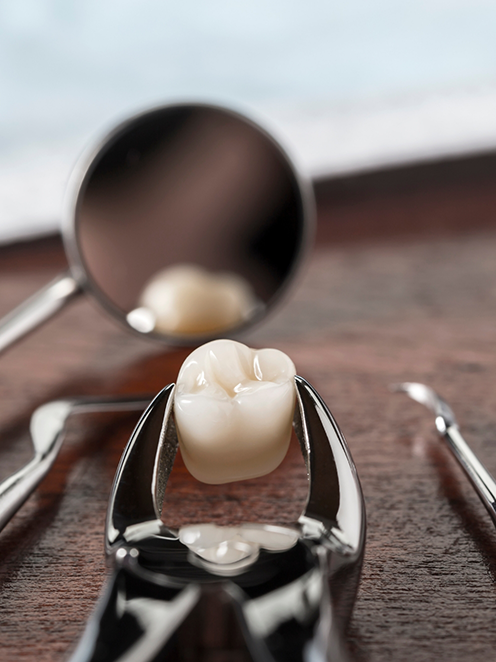
Although it’s not always easy to hear that you’re going to need a tooth (or teeth) extracted, the truth is, it’s sometimes the only way of protecting your long-term oral health. At our Danville office, Dr. Sarcos and our team are able to provide safe tooth extractions for a variety of situations, including wisdom teeth and supernumerary teeth extractions. To learn more about our dental surgery services or to schedule a consultation, contact us today.
Why Choose Southside Dental Surgery for Tooth Extractions?
- Experienced Dental Surgeon with Dual Degrees
- Team with Extensive Sedation Dentistry Training
- IV Sedation from DOCS Credentialed Provider
Do I Need a Tooth Extraction?

Dr. Sarcos will always thoroughly evaluate the affected tooth, the nearby teeth and gums, as well as your overall health, before determining if tooth extraction is the best course of action.
That said, the most common reasons a tooth may need to be removed include:
- Severe decay has destroyed too much of the existing tooth’s structure
- Advanced periodontal disease has compromised the bone tissue supporting the tooth
- There is a painful infection that cannot be resolved with a root canal
- Significant overcrowding is preventing the other teeth from erupting properly
- Trauma or a fracture below the gumline has made the tooth unsalvageable
- A tooth or teeth need to be removed before orthodontic treatment or the placement of a denture/dental implants
Simple Tooth Extractions

A simple extraction is performed on a fully erupted tooth that is above the gumline, meaning it requires no incisions or surgical intervention. After your mouth has been numbed (and after you’ve been sedated if needed), the tooth is carefully loosened from the surrounding ligament and gently removed using a special pair of forceps.
Complex Tooth Extractions
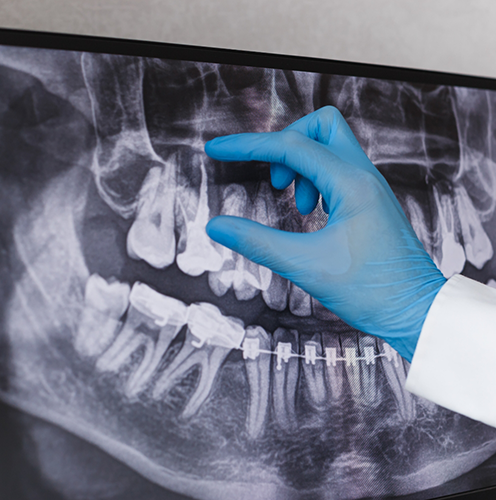
When a tooth is severely broken or infected beneath the gumline, is oddly-shaped, or has not fully erupted, a more involved approach is required. A complex extraction involves making a small incision in the gum tissue to access the tooth, and then often sectioning it into pieces for safer, less invasive removal. Dr. Sarcos has performed countless tooth extractions over the years, meaning that if it’s something she’s recommended for you, she’s well-suited for handling even the most challenging extractions with a strong emphasis on patient comfort.
Wisdom Tooth Extractions
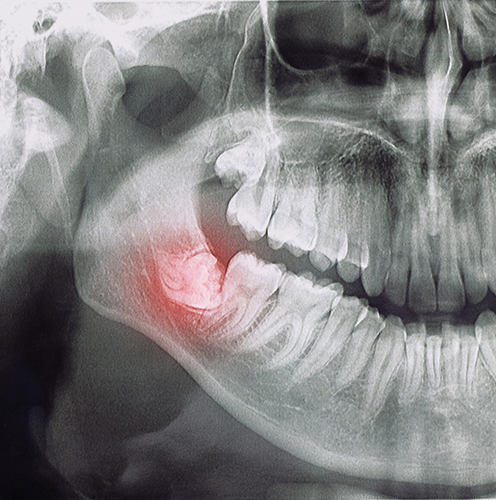
Wisdom teeth often emerge during the late teens or early twenties and can cause crowding, pain, or infection when there isn’t enough space for them to properly erupt. Most people end up needing them removed, and the process of doing so is incredibly straightforward. At our office, Dr. Sarcos can perform gentle, precise wisdom tooth extractions to relieve your (or your teen’s) discomfort and protect your long-term oral health.
Learn More About Wisdom Tooth Extractions
Impacted Supernumerary Teeth Extractions
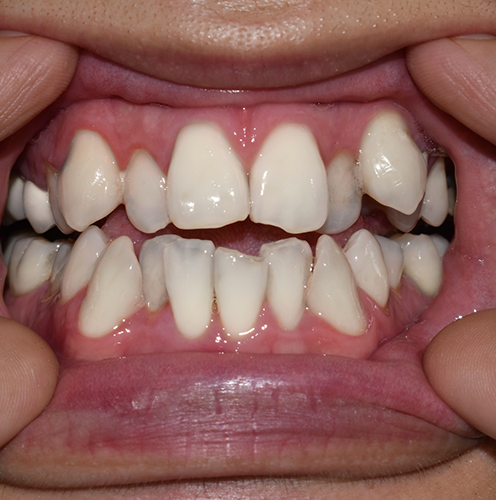
Most people develop a total of 32 permanent teeth, including wisdom teeth. But did you know that some patients end up growing additional teeth beyond that? These are called supernumerary teeth, and when they become impacted below the gumline, they often require surgical removal—otherwise, they can interfere with the other teeth and lead to other oral health issues. At our Danville office, Dr. Sarcos leverages her advanced surgical training to evaluate and remove these unnecessary teeth safely and effectively.
Tooth Extractions FAQs
Is there an alternative to tooth extraction?
The preservation of our patients’ natural teeth is one of the top priorities of the staff at Southside Dental Surgery, so we’ll be sure to do everything we can to save your tooth if it is in trouble. However, there are cases where a severely compromised tooth can potentially spread its infection to other areas of the mouth or body, which makes removing it the best way to protect the patient’s oral and overall health. While we can often save an infected or injured tooth with an appropriate treatment, you can rest assured that we have already ruled out these options if we are recommending extraction. It’s best to replace lost teeth as soon as possible, so we’ll be happy to discuss your restoration options when we see you at our office in Danville.
What are my options for replacing a missing tooth?
The best way to replace your lost teeth depends on how many you are missing and the state of your oral health. While traditional dentures and bridges can be suitable for many patients, the team at Southside Dental Surgery is trained and equipped to fit our patients with dental implants that deliver superior chewing power and appliance longevity. However, a suitable dental implant candidate will be healthy enough to receive minor surgery, be free from oral infections, and have jawbones sturdy enough to host the devices. We can often address oral infections at our office or by referring patients to a local dentist if necessary, and we can also perform bone graft procedures that can reinforce the jawbone so it can support implants later. We’ll be glad to discuss the best way to replace your extracted teeth when we see you at our office in Danville.
Can I smoke after having a tooth extracted?
Tobacco products like vapes, cigarettes, chew, and dip expose your gums to harsh chemicals that inhibit their ability to heal and fight infection, so indulging in these habits after having a tooth extracted can complicate the recovery process. We recommend abstaining from tobacco for at least five days after the procedure, but it’s better to wait at least two weeks and ideal to kick the habit completely. If ceasing tobacco use is difficult for you, please be honest about your habit during your consultation so we can plan your treatment accordingly and help set you up for a smooth healing process.